The Global Center for Policy & Strategy (GLOCEPS)
The Problem
GLOCEPS had a strong volume of valuable content, but the previous site structure made it difficult to present that content clearly, consistently, and at scale.
Different formats were blended together, editorial patterns were inconsistent, and the backend experience made everyday publishing slower than it should be. As the platform grew (research publications, events, videos, podcasts, galleries, speeches, team content, and more), the lack of a clear content model started affecting both user experience and internal operations.
The challenge was not just visual redesign. The real challenge was to translate a complex, mixed content ecosystem into a clear, future-proof information architecture without making the CMS feel technical or fragile for the content team.
How We Solved It
We approached this as a content strategy and product design problem before writing code.
First, we mapped the full content landscape and separated it into distinct editorial entities with clear publishing rules. Then we designed a custom WordPress system that gives each content type its own structure, metadata, and display logic while keeping the editorial workflow intuitive.
On the frontend, we built a modular block-based theme so landing pages and key sections can be assembled consistently. On the backend, we created opinionated field groups and taxonomy relationships so teams can publish quickly with confidence and without guessing where content should go.
The result is a platform where content is easier to find, easier to manage, and easier to scale.
Key Decisions Made:
- Content-type-first architecture
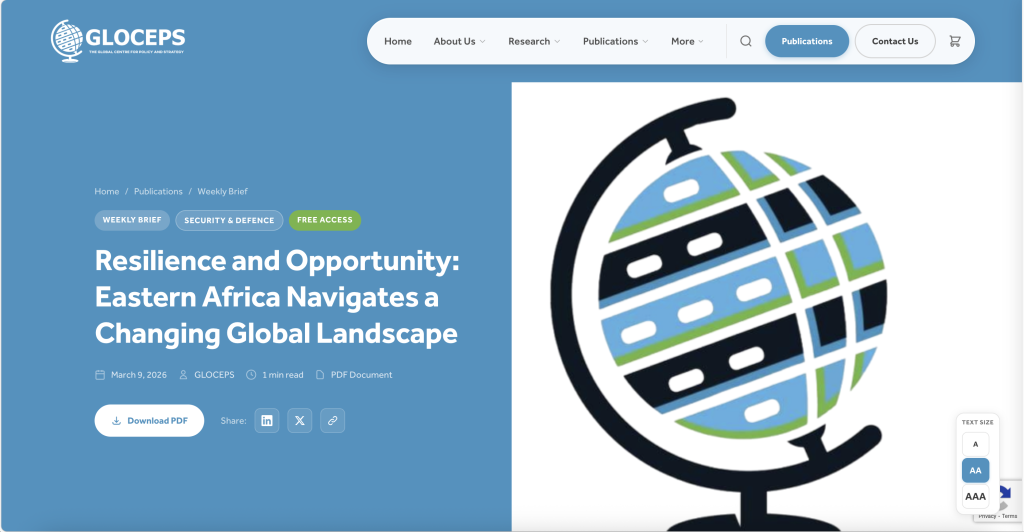
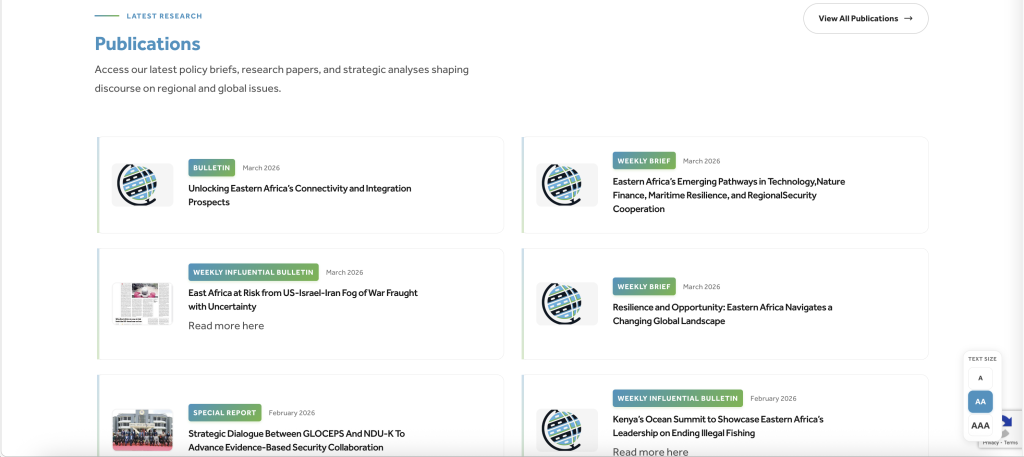
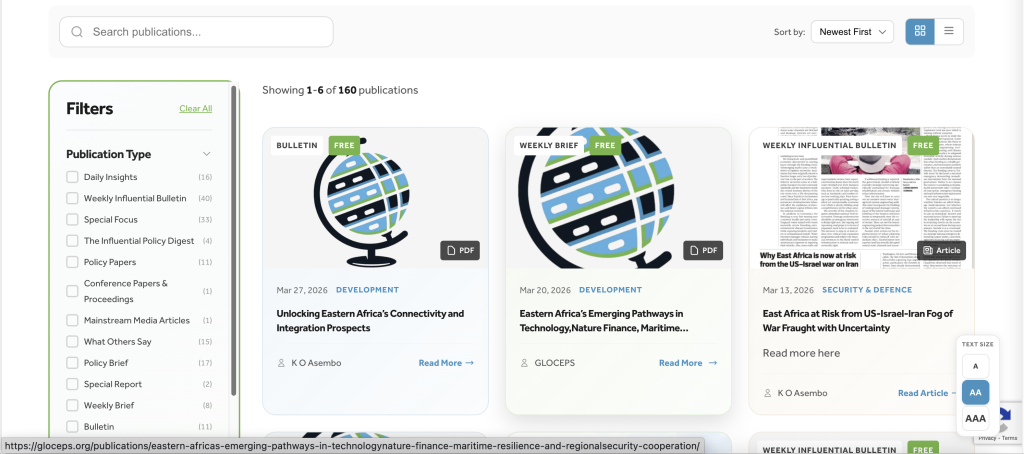
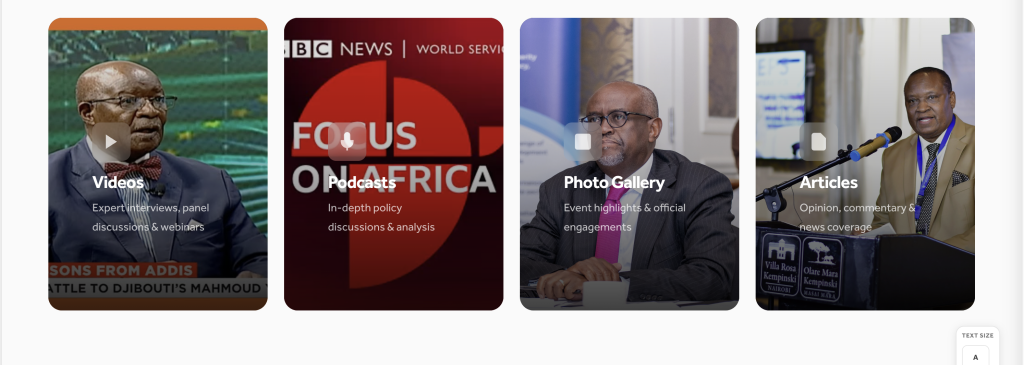
- We separated mixed content into dedicated post types (publications, events, articles, videos, podcasts, galleries, speeches, team, and vacancies), each with its own purpose and fields.
- Shared taxonomy for cross-content discovery
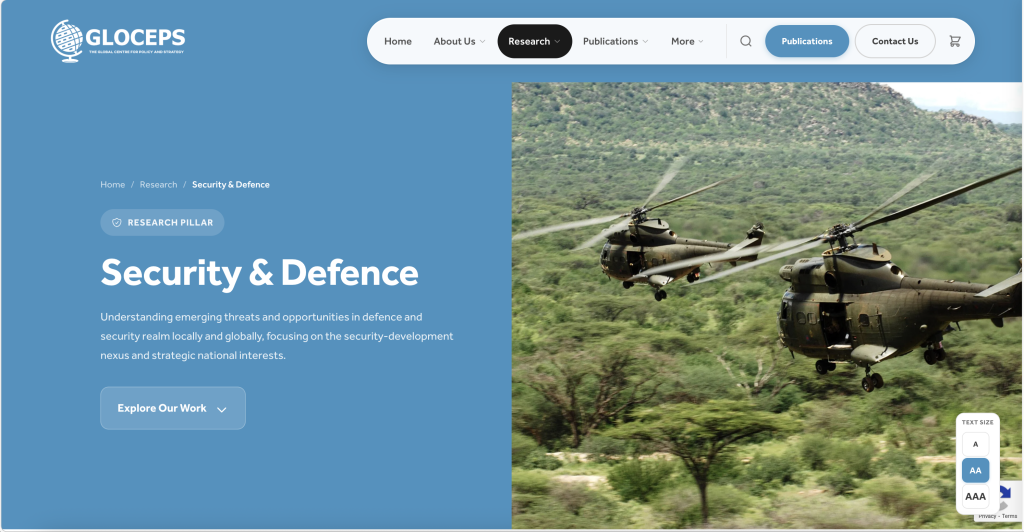
- Research pillars were implemented as a shared classification layer across major content types, making the site feel connected instead of siloed.
- Structured editorial fields, not generic inputs
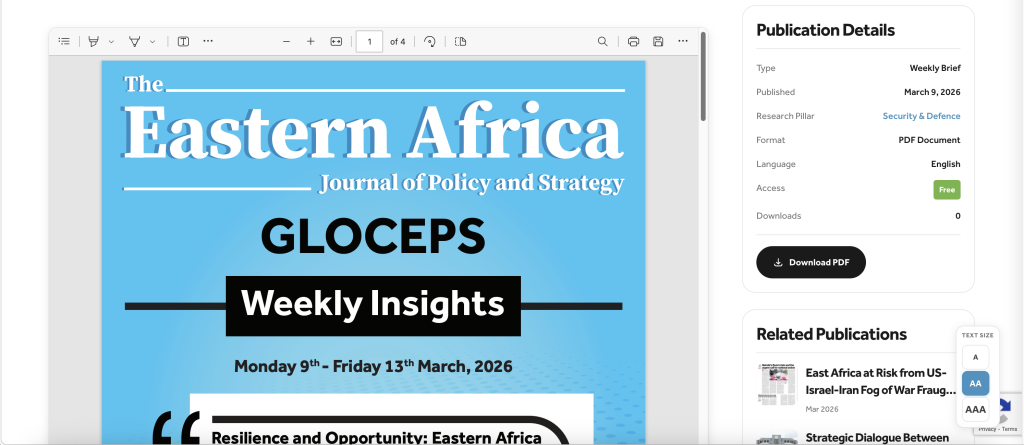
- We defined clear metadata for each type (for example: event schedules, publication access models, speaker details, author profiles, and related resources) to improve consistency and reduce manual work.
- Modular page-building system
- Flexible, reusable content blocks let the team build rich pages quickly while preserving design quality and hierarchy.
- Controlled URL and archive behavior
- We deliberately handled archive routes, redirects, and pagination to keep discovery reliable and user journeys clean.
- Commerce-ready publishing model
- Publication access (free, premium, and linked product logic) was built into the content model, not bolted on later.
What We Built
We delivered a custom WordPress platform designed around publishing clarity and long-term maintainability.
At the core is a robust content model with dedicated templates for each major content type, role-specific metadata via ACF, and shared taxonomies that power filtering and discovery across the site. This created a much cleaner separation between content intent and content presentation.
We also implemented a flexible block system for page composition, custom archive/single experiences for each content stream, taxonomy-driven navigation patterns, and option-driven site controls for global brand settings (typography, color, logos, and key UI behavior).
Beyond content presentation, the platform includes practical workflow features: structured author handling (team and guest), event detail modeling, publication access logic, searchable multi-type content, and admin-side enhancements that make content operations faster for non-technical teams.
In short: a full publishing engine tailored to how GLOCEPS actually works.